
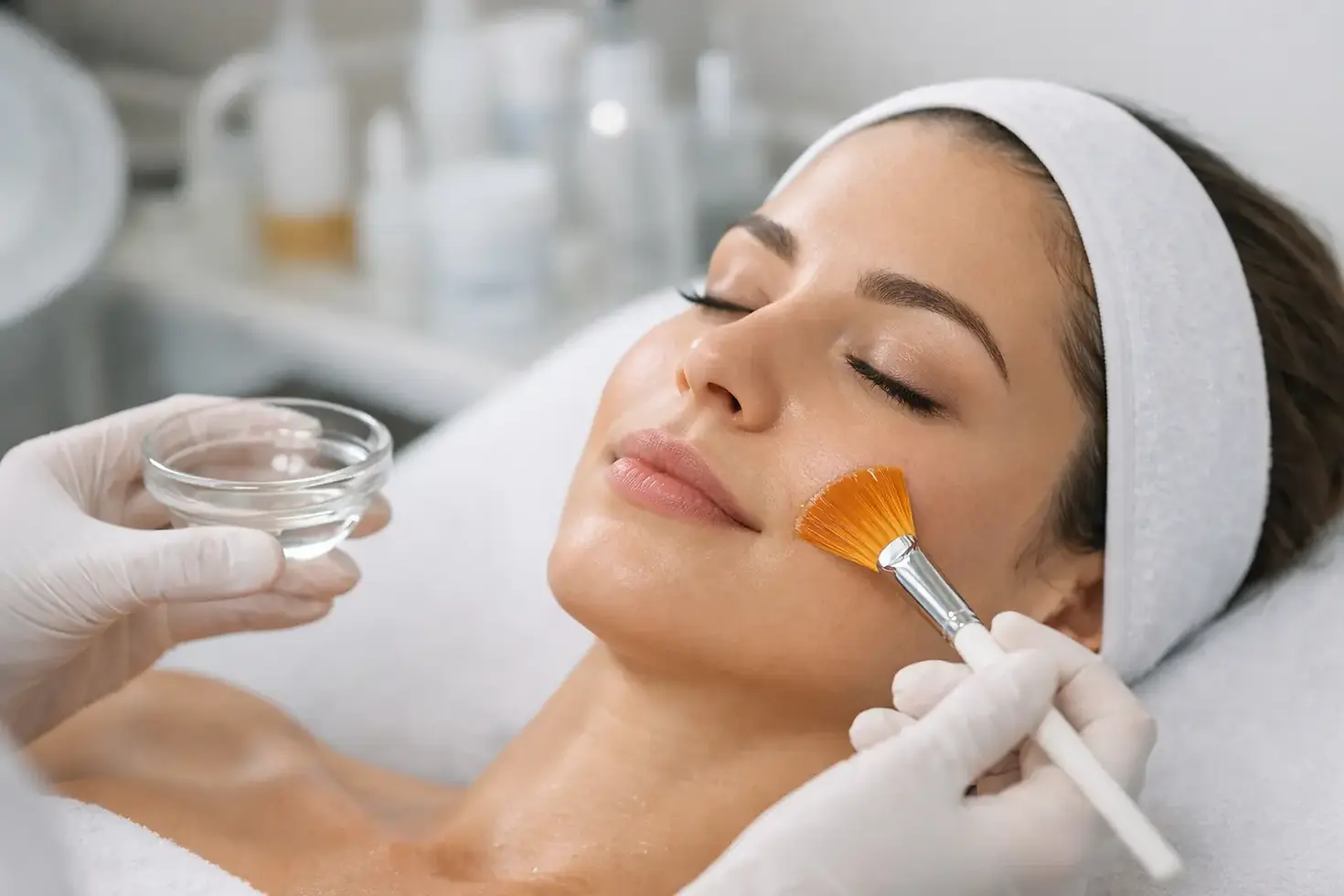
Are Chemical Peels Safe for Your Skin?
A peel can sound intense the first time you hear about it. The name alone makes many people ask, are chemical peels safe - or are they too harsh for real, everyday skin concerns like acne marks, dullness, melasma, or uneven texture?
The honest answer is that chemical peels can be very safe when they are chosen carefully, applied correctly, and matched to your skin by a qualified medical aesthetics professional. They are not one-size-fits-all treatments, and that is exactly why consultation matters. The safest peel is not the strongest one. It is the one designed around your skin tone, sensitivity, goals, lifestyle, and recovery comfort level.
Are chemical peels safe when done professionally?
In a professional setting, chemical peels are generally considered safe for many healthy adults. These treatments use controlled acids to exfoliate the top layers of skin, encourage cell turnover, and improve concerns such as fine lines, congestion, discoloration, and rough texture.
What makes them safe is not just the formula itself. Safety comes from proper skin assessment, correct peel selection, prep instructions, application technique, timing, and aftercare. A clinician-led approach also matters because skin history changes everything. Someone with acne and resilient skin may tolerate a very different treatment than someone with rosacea, eczema, deeper skin tones prone to hyperpigmentation, or a recent history of retinoid use.
This is where many of the scary stories online begin. Often, the issue is not that peels are inherently unsafe. The issue is that the wrong peel was used, the skin was not properly evaluated, or aftercare was ignored.
What actually makes a chemical peel risky?
Chemical peels are still medical-grade skin resurfacing treatments. That means there are real risks, even though many are manageable when the treatment is done responsibly.
The most common side effects are expected and temporary. Redness, tightness, mild swelling, flaking, and visible peeling can all happen depending on the depth of the peel. For many clients, that is simply part of the renewal process.
More serious complications can happen when a peel is too aggressive or poorly timed. These can include post-inflammatory hyperpigmentation, prolonged irritation, infection, blistering, scarring, or delayed healing. Risk tends to rise when someone uses a peel at home without guidance, hides part of their medical history, picks at shedding skin, or returns to active sun exposure too soon.
There is also an important trade-off to understand. Stronger peels can create more dramatic results, but they also require more downtime and carry more risk. Milder peels are often safer and easier to fit into a busy schedule, but they may require a series of treatments to reach your goal. Neither approach is automatically better. It depends on your skin and what kind of journey feels right for you.
Who is a good candidate?
Many people are excellent candidates for chemical peels, especially if they want to improve tone, texture, acne breakouts, post-acne marks, sun damage, or early visible aging. If your skin is generally healthy and your expectations are realistic, a peel may be a beautiful addition to your skincare plan.
That said, not everyone is a candidate at every moment. You may need to postpone treatment if you are sunburned, pregnant depending on the peel type, using certain prescription medications, actively breaking out with inflamed lesions, healing from another procedure, or dealing with uncontrolled skin conditions.
Skin tone also deserves thoughtful attention. People with medium to deep skin tones can absolutely receive chemical peels safely, but the peel type, strength, and prep need to be chosen with extra care to reduce the chance of unwanted pigmentation changes. This is one more reason a personalized plan matters far more than copying what worked for someone else.
Are chemical peels safe for sensitive skin?
They can be, but sensitive skin needs a gentler strategy. If your skin stings easily, reacts to many products, or tends toward redness, that does not automatically rule out a peel. It simply means your provider should move more carefully.
In these cases, lower-strength peels, shorter contact times, and supportive barrier-focused pre- and post-care are often the better path. Sometimes the right answer is not a peel on the first visit at all. Sometimes it is a period of calming, strengthening, and preparing the skin so treatment is safer and more comfortable later.
That kind of pacing can feel less exciting than jumping straight into a stronger service, but it often leads to better outcomes. Beautiful skin is rarely built by forcing it.
Professional peels vs. at-home peels
This is where safety conversations get very real. At-home peel pads, masks, and exfoliating solutions can have a place in skincare, but they are not equal to a professionally selected peel. They also create a false sense of simplicity. Because they are easy to buy, people assume they are easy to use.
The problem is that many people layer too many actives without realizing it. A person might already be using retinol, benzoyl peroxide, vitamin C, scrubs, and acid toners, then add an at-home peel on top. The skin barrier becomes irritated, inflamed, and unpredictable.
Professional treatment offers more than a stronger product. It offers assessment, control, and accountability. Your provider can tell you whether a peel is the right choice, what to stop using beforehand, how much peeling to expect, and what signs mean you should check in.
For clients who want results without guesswork, guided care is usually the safer and smarter route.
How to make chemical peels safer
If you are considering a peel, a few decisions make a big difference. Start with a consultation. This is where your provider reviews your skin concerns, medications, history of cold sores, pigmentation tendencies, recent treatments, and current skincare routine.
Next comes preparation. You may be told to pause certain active products before your appointment. This step matters because over-exfoliated skin is more likely to react badly. If you are prone to pigmentation, your provider may recommend prep products before treatment to help reduce risk.
After the peel, the safest approach is simple and disciplined. Keep the skin moisturized, use sunscreen faithfully, avoid heat and friction, and do not pick at flaking skin. Let the skin release on its own. The more patient you are during healing, the better your skin usually looks once it settles.
This is also the moment to be honest about your schedule. If you have a wedding, photoshoot, work event, or travel planned, timing matters. Even a mild peel can leave you dry or flaky for several days. Safety is not only about avoiding complications. It is also about choosing treatment timing that supports a smooth recovery.
What results can you realistically expect?
A well-chosen peel can leave your skin looking brighter, smoother, clearer, and more refreshed. Over time, a series may soften fine lines, improve acne, reduce congestion, and help discoloration fade more evenly.
But realistic expectations are part of safety too. One peel is not magic, and not every concern disappears at the same speed. Pigmentation often takes consistency. Acne may need a broader treatment plan. Deep wrinkles and laxity may respond better when peels are part of a more complete aesthetic approach.
That is why personalized treatment planning matters so much. At NP. Jay Medical Aesthetics L.L.C., the focus is not on pushing the strongest option. It is on guiding each client toward the right option for their features, comfort, and long-term confidence.
When you should skip a peel and ask more questions
If a provider does not ask about your medical history, current skincare, recent sun exposure, or pigment risk, that is a reason to pause. If you feel pressured into a stronger treatment than you wanted, that is also worth reconsidering.
Safe aesthetic care should feel supportive, not rushed. You should understand what is being applied, why it was chosen, what recovery looks like, and what to do if your skin reacts unexpectedly. Confidence grows when your care feels collaborative.
So, are chemical peels safe? Yes, they absolutely can be. The real key is matching the treatment to the person, not the trend. When your skin is evaluated thoughtfully and your plan is built around your individuality, a chemical peel can be a safe, effective step toward clearer, brighter, more radiant skin. If you have been curious but cautious, that instinct is not a drawback. It is often the beginning of a smarter, more beautiful decision.


Comments