
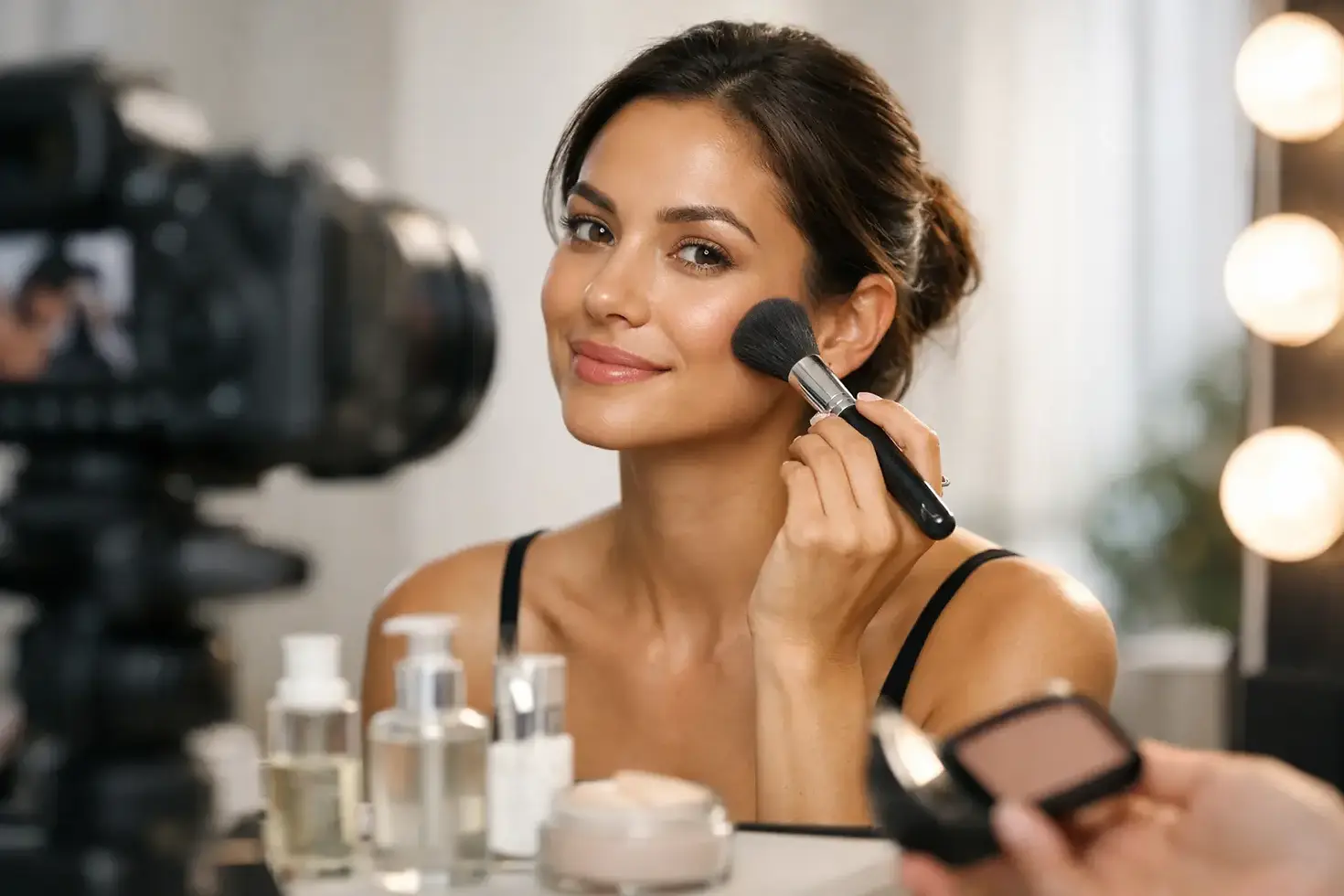
A Camera Ready Skin Routine That Lasts
The difference between skin that looks fine in the mirror and skin that looks polished on camera usually comes down to preparation. Bright lighting, phone cameras, and high-definition video pick up everything - dryness around the nose, uneven texture on the cheeks, makeup settling under the eyes. A true camera ready skin routine is not about chasing perfection. It is about creating skin that looks healthy, smooth, and naturally radiant in real life and on screen.
For most people, the biggest mistake is treating camera-ready skin like a one-day project. A great primer and a flattering foundation can help, but cameras tend to expose what skincare has been ignoring. When your routine is tailored to your skin type, your goals, and your schedule, makeup sits better, skin reflects light more evenly, and your features look refreshed instead of overdone.
What camera-ready skin really means
Camera-ready skin is not the same as poreless skin, glass skin, or heavily filtered skin. In practice, it means your complexion appears even, hydrated, and calm under different lighting conditions. It also means your skin can hold makeup well without looking flat, patchy, or greasy halfway through the day.
That matters for more than special events. Working professionals are on video calls, at networking events, in family photos, and under bright office lighting all the time. If you want to feel more confident showing up anywhere a camera might appear, your routine should focus on consistency, not quick fixes.
The foundation of a camera ready skin routine
A strong routine starts with skin behavior, not trends. Oily skin needs a different balance than dry or sensitive skin. Acne-prone skin often needs clarity without stripping. Skin dealing with redness, dullness, or early signs of aging usually benefits from a plan that supports the barrier while improving tone and texture over time.
That is why the best camera ready skin routine is usually simple at first. Cleanse in a way that removes buildup without leaving skin tight. Use targeted treatment based on your main concern. Hydrate well. Protect your skin every morning. Those steps sound basic, but they make the biggest visual difference because cameras reward smooth texture and even light reflection.
Clean skin that is not over-cleansed
If your face feels squeaky after washing, your cleanser may be working against you. Over-cleansing can create dehydration, trigger more oil production, and make makeup cling to dry areas. A gentle cleanser that respects the skin barrier gives you a cleaner canvas without causing irritation.
If you wear long-wear makeup, sunscreen, or spend a lot of time outdoors, a double-cleanse at night can be helpful. The goal is to remove residue completely so your treatment products can do their job. The trade-off is that too much cleansing can leave sensitive skin reactive, so this step should match your actual lifestyle, not someone else’s routine online.
Treatment that matches your real concern
This is where routines often become cluttered. Many people use too many actives at once and end up with redness, flaking, or breakouts right before an event. For camera-ready skin, the better strategy is choosing one or two ingredients with a clear purpose.
If texture and breakouts are your main concern, exfoliating acids or retinoid-based care may help refine the surface over time. If dullness and uneven tone bother you most, brightening ingredients can improve clarity. If your skin gets irritated easily, barrier-supporting formulas may do more for your final look than aggressive exfoliation ever will.
It depends on your timeline too. If you need to look your best next weekend, now is not the moment to experiment with a strong peel at home. If you are planning for photos, an event, or a season of increased visibility, earlier planning gives you more options and better results.
Hydration is what makes skin photograph better
Hydrated skin tends to look smoother, plumper, and more luminous on camera. That does not always mean using the richest cream possible. Oily or acne-prone skin may do better with lightweight hydration that supports balance without heaviness. Drier skin may need a cream that cushions fine lines and softens rough patches.
Hydration also helps makeup perform the way it was designed to. When skin is dehydrated, foundation can separate, crease, or grab onto flaky areas. When hydration is balanced, the finish looks more natural and lasts longer.
Daily sun protection is non-negotiable
If there is one step that protects your long-term results, it is sunscreen. Uneven pigmentation, redness, and early signs of aging become much harder to correct when UV exposure keeps adding new damage. For anyone trying to maintain a polished, even complexion, daily SPF is part of the routine, not an optional extra.
The best sunscreen is the one you will actually wear every day. Texture matters. Finish matters. Compatibility with makeup matters. A beautiful routine only works if it fits your life.
When skincare at home is not enough
There is a point where a well-chosen home routine benefits from professional support. If you have persistent congestion, visible texture, acne scarring, pigment concerns, or skin that never seems to look as bright as you want it to, in-clinic care can move things forward faster and more predictably.
This is especially true if you are preparing for a milestone event, professional branding photos, or simply want a more refined, maintained look. A personalized consultation can help identify what is actually holding your skin back. Sometimes the issue is dehydration. Sometimes it is chronic inflammation. Sometimes it is a treatment mismatch that has kept you stuck.
At NP. Jay Medical Aesthetics L.L.C., that personalized approach matters because not every client needs the same path to radiance. Some benefit most from a medical-grade skincare reset. Others may need a series of treatments planned around their schedule and goals. The value is not in doing more. It is in doing what fits you.
How to build your camera ready skin routine around your timeline
If your event is three months away, focus on correction and consistency. This is the ideal window to improve tone, refine texture, and support collagen with a more strategic plan. You have time to adjust products, monitor skin response, and build visible improvements without rushing.
If your event is one month away, think polish rather than overhaul. Prioritize hydration, gentle smoothing, and calming any irritation. Avoid introducing strong actives that could trigger peeling or purging unless guided by a qualified professional who knows your skin.
If your event is this week, your job is to protect the skin barrier and keep things predictable. Stick to what already works. Hydrate well, avoid picking, and do not chase a dramatic last-minute transformation. Cameras are much kinder to calm, balanced skin than to irritated skin that has been pushed too hard.
Common mistakes that show up on camera
The first is over-exfoliation. It can make skin look shiny in an unhealthy way while creating dry patches that foundation highlights. The second is using heavy products that cause makeup to slide. The third is ignoring the neck, chest, and eye area, which can create visible contrast in photos and video.
Another common issue is choosing products based on viral hype instead of skin needs. What looks dewy on one person may look greasy on another. What clears one complexion may inflame a more sensitive barrier. Personalized care almost always outperforms trend chasing because it accounts for your skin’s patterns, not just your wish list.
Why personalization changes the result
The most effective routines are built around your skin history, not just your skin type. Stress, hormones, work hours, climate, makeup habits, and previous treatments all affect how your skin behaves. A working professional with frequent meetings and limited downtime has different needs than someone willing to spend months trialing products at home.
That is why guided skincare feels so different. It removes guesswork. It helps you invest in products and treatments with purpose. It also gives you a realistic sense of timing, which matters when your goal is to look refreshed for real moments, not just edited images.
A premium aesthetic experience should feel supportive from start to finish. You deserve a plan that honors your individuality, respects your budget, and leaves you feeling informed rather than overwhelmed. For some clients, flexible payment options can make it easier to begin sooner rather than waiting until a concern becomes harder to address.
The look you are going for is healthy confidence
The most beautiful camera-ready skin does not look overworked. It looks rested, even, and cared for. It lets your features stand out without demanding heavy correction. That kind of result usually comes from a routine that is steady, thoughtful, and adapted as your skin changes.
If your current routine feels like a mix of hope, habit, and half-used products, that is okay. Skin responds well to clarity. Start with what your skin truly needs, give it time, and let every step support the version of you that already deserves to be seen clearly.


Comments