
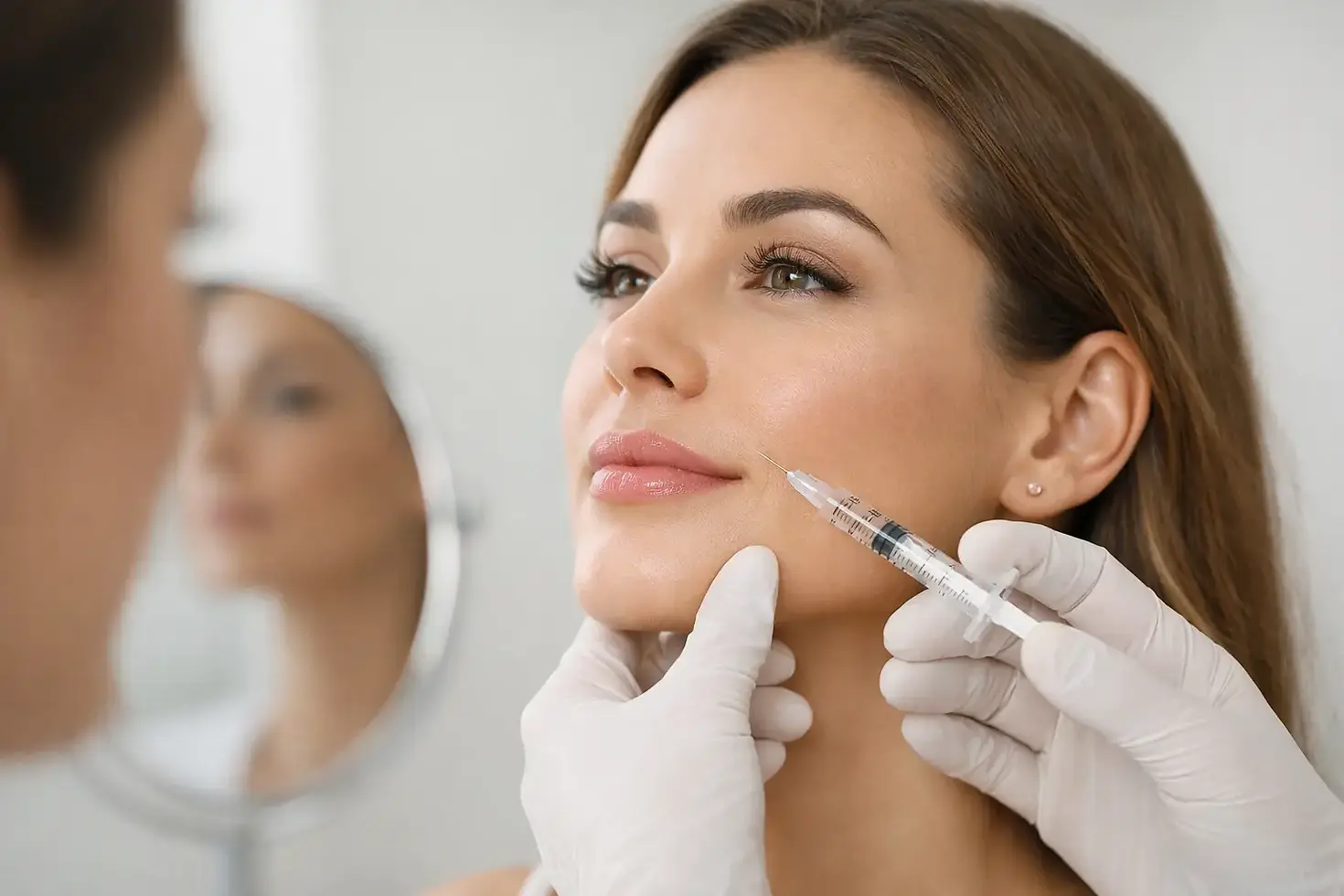
Can Filler Look Natural? Yes - Here’s How
You can usually spot filler that was done for the wrong reason, in the wrong place, or in too much volume. What most people really want to know when they ask, can filler look natural, is simpler than that: will I still look like myself? The reassuring answer is yes - when treatment is personalized, measured, and guided by facial balance rather than trends.
Natural-looking filler is not about changing who you are. It is about restoring support where it has softened, refining proportions, and helping your features look rested, smooth, and in harmony. The best results rarely announce themselves. People may notice that you look fresher, more polished, or better rested, without being able to point to one obvious reason.
Can filler look natural? Yes, but technique matters
Filler can look incredibly natural, but it is not automatic. The outcome depends on the injector’s clinical judgment, your anatomy, the type of filler used, and how much product is placed. Even a high-quality product can look overdone if it is used without restraint or pushed into an area that does not need volume.
This is why consultation matters so much. A thoughtful provider does not start with a syringe count or a trendy look from social media. They start with your face, your movement, your skin quality, and your goals. For one person, a natural result may mean soft lip hydration without added shape. For another, it may mean subtle cheek support that lifts the midface and reduces a tired appearance.
There is also an important difference between visible filler and effective filler. Visible filler draws attention to itself. Effective filler supports your features so they look balanced and refreshed. That distinction often comes down to precision and restraint.
What makes filler look natural
Natural results come from respecting your facial structure instead of trying to copy someone else’s. Faces are not meant to be identical, and that is part of what makes them beautiful. When filler is used well, it enhances individuality rather than masking it.
The first factor is product choice. Different fillers are designed for different purposes. Some are softer and better for delicate movement, while others provide stronger structural support. Using a thick product in an area that needs flexibility can create stiffness. Using a very soft product where support is needed may lead to underwhelming results.
The second factor is placement. A skilled injector looks at how one feature affects the next. Lips relate to the chin, cheeks influence the under-eye area, and jawline balance can change how the lower face reads overall. Sometimes the most natural lip result comes from treating the surrounding facial structure, not adding obvious volume to the lips themselves.
The third factor is dosage. More is not always better. Small, strategic amounts often create the most believable improvement. Building gradually also gives you room to assess how you feel, how your face settles, and whether you want any refinement.
Finally, natural filler respects motion. Your face is expressive. You smile, talk, laugh, squint, and react. Good filler should work with those movements, not fight them.
The areas where subtle filler often works best
Some treatment areas are especially well-suited to soft, understated improvement. The lips are the most talked about, but they are only one part of the picture. When done conservatively, lip filler can restore hydration, improve border definition, and correct asymmetry without creating an overly filled look.
Cheeks can benefit from filler when natural volume loss has flattened the midface. This can restore gentle contour and support nearby areas, especially if your goal is to look less tired rather than dramatically different. Chin and jawline filler can also look very natural when the goal is proportion, not sharpness for its own sake.
Under-eye treatment is one of the most nuanced areas. It can be beautiful in the right candidate and disappointing in the wrong one. This is where honest assessment matters. Sometimes the most natural result comes from choosing a different plan entirely.
That is one of the most overlooked parts of aesthetic expertise: knowing when filler is a good choice, when it should be used sparingly, and when it should not be used at all.
Why some filler looks fake
When filler looks unnatural, the issue is not usually filler itself. It is the plan behind it. Overcorrection is one of the biggest reasons results look obvious. Chasing fullness without regard for facial proportions can create that puffy, stretched, or overly projected appearance people want to avoid.
Another issue is trend-based treatment. A lip shape, cheek contour, or profile seen online may not suit your anatomy. What looks striking in a filtered photo may not translate well to real life, natural light, or facial movement.
Repeated treatment without reassessment can also lead to a less natural look over time. If filler is added again and again without stepping back to evaluate the whole face, balance can shift. Sometimes clients think they need more in the same area when the better answer is to stop, dissolve, or redirect treatment more thoughtfully.
There is also the matter of expectation. If your goal is dramatic transformation, your result may be less natural by design. That is not necessarily wrong, but it should be a conscious choice. Natural-looking filler starts with being honest about the look you want.
How to ask for natural-looking filler
If your goal is subtle enhancement, say that clearly. It helps to use phrases like “I want to look refreshed, not filled,” or “I want people to notice I look good, not notice the treatment.” A good provider will understand exactly what you mean.
Photos can help, but they should be used carefully. The most useful reference is usually a picture of yourself from a time when you felt your features looked rested and balanced. That gives your injector a more realistic guide than a heavily edited image of someone with completely different anatomy.
It also helps to be open to a phased plan. You may come in asking about one area and learn that a softer, more balanced result could come from treating another area first, or from doing less than you expected. That kind of guidance is often a sign that your provider is prioritizing your outcome over a quick sale.
Can filler look natural over time?
Yes, but maintenance should be thoughtful. Natural results are easier to preserve when treatment is spaced appropriately and reassessed at each visit. Your face changes over time, and your plan should change with it.
Not everyone needs regular filler on the same schedule. Metabolism, product choice, treatment area, and your aesthetic goals all play a role. Some clients do best with tiny touch-ups. Others benefit more from waiting, allowing the filler to settle and fade before deciding what still needs attention.
This is where a consultation-based approach is especially valuable. Instead of repeating a routine without reflection, you and your provider can evaluate what still serves your face well. That keeps the result fresh and believable.
The role of trust in a natural result
Natural filler is part technique and part relationship. You need a provider who listens carefully, explains honestly, and is willing to say no when a request would not support your goals. That level of care can make all the difference, especially if you are new to aesthetic treatment or trying to avoid a look that feels overdone.
At a practice like ANYO’ Aesthetics, where personalization and education are part of the experience, that conversation becomes more meaningful. You are not just booking a treatment. You are building a plan around your features, your comfort level, and the version of yourself you want to see in the mirror.
That matters for practical reasons too. Many clients want premium care but also need flexibility in how they move forward. Having options such as consultation-based planning and Cherry payment support can make it easier to choose a measured, staged approach instead of feeling pressured to do everything at once.
So, can filler look natural for everyone?
For many people, yes. But the right answer is not always filler, and that is part of what makes a result truly natural. Sometimes the best aesthetic plan is conservative treatment. Sometimes it is combination care over time. Sometimes it is simply waiting until the timing feels right.
What you should expect from a qualified provider is honesty, customization, and a result that respects your individuality. Natural-looking filler is not about perfection. It is about harmony, confidence, and seeing yourself looking a little more rested, a little more radiant, and still unmistakably you.
If you are considering treatment, let your goal be clarity rather than volume. The most beautiful outcomes often begin there.


Comments