
What Happens During Botox? A Calm, Clear Look
- ANYO' Aesthetics

- 1 day ago
- 6 min read
A polished, rested look should never require you to become someone else. If you are wondering what happens during Botox, the experience is typically far more personal and precise than the quick appointment stereotypes suggest. A well-planned treatment is not about freezing expression. It is about softening the facial movements that create lines while protecting the character, warmth, and individuality in your face.
For many clients, Botox is a small part of a larger confidence ritual: a chance to look as refreshed on the outside as they feel when they are at their best. Here is how a thoughtful appointment usually unfolds, what you may feel, and what to expect once you leave.
What Happens During Botox From Start to Finish
A Botox appointment begins before the first injection. Your provider should take time to understand your goals, examine how your face moves, and recommend an approach that respects your natural anatomy. The treatment itself is usually brief, but the conversation and planning are where personalized results begin.
Botox is a brand of botulinum toxin type A, a prescription neuromodulator. When placed carefully into selected muscles, it temporarily reduces the strength of nerve signals that tell those muscles to contract. As the targeted muscle relaxes, the skin above it can look smoother and more rested.
This does not mean every line disappears, nor should it. Some lines are visible only with movement, while others have settled into the skin over time. Your provider may explain which changes Botox can address well and where another approach, skincare support, or simply realistic expectations may be more appropriate.
The consultation: your goals meet your anatomy
The best Botox experience starts with an honest consultation. You may discuss concerns such as forehead lines, the vertical “11” lines between the brows, or crow’s feet at the outer corners of the eyes. You can also share what you do not want: a heavy brow, a stiff forehead, an overly arched look, or a result that feels noticeable to everyone around you.
Your medical history matters, too. Your provider may ask about medications, allergies, previous aesthetic treatments, pregnancy or breastfeeding status, certain neuromuscular conditions, and any history of eyelid or brow asymmetry. These questions are not a formality. They help determine whether treatment is appropriate and how it should be planned.
Next comes facial assessment. You may be asked to frown, raise your eyebrows, squint, smile, or relax your face completely. These movements reveal muscle strength, symmetry, brow position, and the patterns that make your expression uniquely yours. Two people can request treatment in the same area and still need very different placement or dosing.
At ANYO’ Aesthetics, natural results begin with that level of observation. A thoughtful plan is designed around your features and the way you want to feel - refreshed, balanced, and still unmistakably you.
Facial mapping and preparation
Once you and your provider agree on a plan, the treatment areas are cleansed. Your provider may mark small points on the skin to guide placement. These markings are not a sign that the treatment is complicated. They are simply a way to work with intention and consistency.
Depending on your goals, treatment may focus on a few small areas or be part of a more comprehensive plan. The number of units is individualized. More is not automatically better, and a lower dose is not always the right answer either. The right amount depends on muscle activity, facial balance, desired movement, prior treatment response, and whether you are trying Botox for the first time.
For first-time clients, a conservative approach can be especially helpful. It gives you and your provider a chance to see how your muscles respond while preserving flexibility for future adjustments. This can be a wonderful path for someone who wants refinement without the fear of looking overdone.
The injections themselves
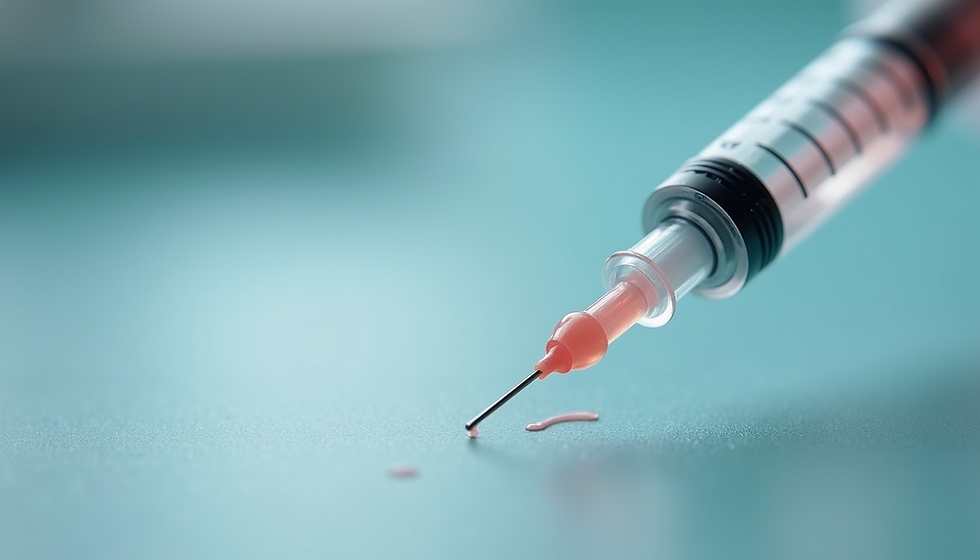
The injections are performed with a very fine needle and usually take only a few minutes. Most people describe the feeling as a quick pinch or tiny sting at each site. There may be a slight pressure sensation, especially in areas where the muscles are more active, but discomfort is generally brief.
You might notice small raised bumps right after the injections. These are temporary and commonly fade within 15 to 30 minutes. Minor redness can also occur, particularly in sensitive skin, but it often settles quickly. Some clients return to work, errands, or social plans the same day with little interruption.
Your provider may pause during treatment to check symmetry or observe your expression again. This deliberate pace is a positive sign. Botox is not a one-size-fits-all service. Small differences in placement can influence how naturally the result settles.
What You May Feel After Botox
Immediately afterward, the area can feel normal or slightly tender. Some people experience mild redness, pinpoint swelling, a small bruise, or a temporary headache. These effects are usually mild and resolve on their own, though bruising can last longer for some individuals.
Your provider will give you personalized aftercare instructions. In many cases, you will be advised to avoid rubbing or massaging the treated areas for several hours. It is also commonly recommended to postpone strenuous exercise, heat exposure, and lying fully flat for a period after treatment. Follow the guidance you receive, since recommendations can vary based on your treatment plan and medical history.
If you have a special event coming up, give yourself some runway. Botox is not usually a same-day transformation, and there is always a small chance of bruising. Scheduling at least two weeks before an important photo, celebration, or presentation gives your results time to develop and allows room for a follow-up assessment if needed.
Call your provider promptly if you have concerning or unexpected symptoms. Serious complications are uncommon when treatment is appropriately administered, but any medical aesthetic treatment deserves careful attention and clear communication.
When Botox Results Begin to Show
Botox works gradually. Some clients notice a softening in movement within a few days, while more visible results often appear around days 7 to 14. The treated muscles slowly become less active, and the lines created by repeated contraction begin to relax.
Results generally last about three to four months, but this varies. Factors such as metabolism, dose, muscle strength, treatment area, and consistency of appointments can all affect longevity. If your goal is to maintain a polished, predictable look, scheduling regular visits before movement fully returns may help create a more consistent aesthetic over time.
It is also worth knowing that Botox does not permanently erase deeper etched lines. It can prevent repeated folding from making them more pronounced and may allow the skin to look smoother over time, but established lines often need patience and a broader skin-quality strategy. Honest guidance is part of elevated care.
The value of a follow-up
Many practices recommend a follow-up around two weeks after your first treatment or after a meaningful change to your plan. This is the point when the final effect can be assessed. If one side of the face is stronger than the other or a specific area needs a subtle refinement, your provider can advise whether an adjustment is appropriate.
Do not judge your result too early. Facial muscles do not always respond at the same speed, and tiny day-to-day shifts during the first week are common. Waiting for the full settling period supports better decisions and a calmer experience.
How to Prepare for a More Comfortable Appointment
Come to your appointment ready to have an open conversation rather than feeling pressure to know exactly what you need. Photos of yourself when you feel confident can be more helpful than photos of someone else. They show the expressions, proportions, and overall energy you want to preserve.
If you are prone to bruising or take medications and supplements that can affect it, discuss this before treatment. Do not stop prescribed medication without guidance from the clinician who manages it. Arriving with clean skin can be convenient, though makeup can typically be removed at the appointment if needed.
Most of all, choose a qualified medical provider who welcomes questions and does not rush your decision. You deserve to understand what is being placed, why it is being recommended, what the expected outcome is, and what alternatives may fit your goals. Beautiful work is not just visible in the result. It is present in the care, restraint, and transparency behind it.
Botox can be a beautifully subtle way to honor the face you already have. When your treatment is guided by skill, thoughtful planning, and respect for your individuality, the goal is simple: you look rested, expressive, and confidently like yourself.


Comments